If you’re searching for javelina resistant plants in Sedona or the Verde Valley, you’ve likely come across long plant lists that promise to keep your landscape safe. Unfortunately, many of those lists don’t reflect what actually happens in real yards across northern Arizona.
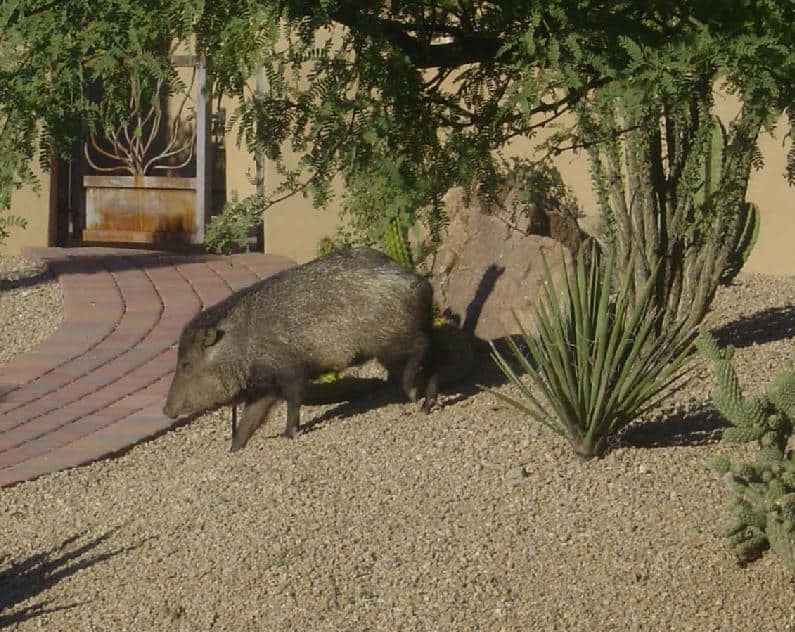
Javelinas are common throughout Sedona, Prescott, the Verde Valley, and surrounding areas, and they don’t follow the rules you’ll find in most gardening articles.
Why Javelina Resistant Plants in Sedona and the Verde Valley cannot be trusted
In higher desert environments like Sedona and Verde Valley, conditions change quickly—dry periods, limited natural forage, and irrigated residential landscapes all influence javelina behavior.
Plants labeled as javelina resistant are often:
- Eaten during dry seasons
- Dug up in newly planted areas
- Damaged as herds move through a yard
Even plants with thorns or thick leaves don’t always hold up. In many cases, the issue isn’t just feeding—it’s rooting, trampling, and disturbance.
That’s why many homeowners in Sedona and the Verde Valley find themselves replanting again and again, even when they follow recommended plant lists.
The One Trait That Consistently Works
Through direct observation and hands-on landscape design experience in northern Arizona, one pattern stands out:
Aromatic plants are the most reliable javelina resistant plants in Sedona and the Verde Valley
Plants that contain strong natural oils—those that release a noticeable scent when touched—are consistently avoided.
Aromatic plants like rosemary, lavender, and sage perform far better than typical “javelina-resistant” plant lists suggest.
Reliable choices include:
- Rosemary – Trailing and Upright forms
- Lavender – a common favorite is Spanish Lavender
- Sage (Salvia varieties) Autumn sage, Cleveland sage, Mexican Blue sage, Salvia leucantha
- Thyme
- Lantana (treat as a perennial and cut back in winter)
- Artemesia species
- Santolina
- Junipers
- Irises and Daphodils (have toxic properties)
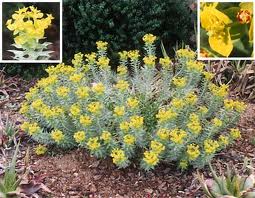
- Gopher plant (Euphorbia regens)
- Other strongly scented herbs and shrubs
These plants don’t just reduce damage—they are often completely ignored by javelinas.
For additional region-specific plant guidance, the University of Arizona Cooperative Extension offers useful resources for gardening in northern Arizona.
Practical Steps That Work in Sedona and the Verde Valley Yards
Beyond choosing better javelina-resistant plants, a few practical strategies can make a noticeable difference for homeowners in Sedona and the Verde Valley:
A Physical Barrier is the Best Protection
If javalina can’t reach your plants, you can plant whatever you want. Think about that! Why tailor your whole landscape around javalina or deer. Many homeowners already have some kind of fencing – usually closing off their back yards. Why not make the backyard javalina-proof and leave the front yard open, where the javalina-resistant plantings would be used?
Electric Fence as an Alternative to a Tall Fence or Wall
An electric fence using a couple of wires placed low to the ground is an effective barrier and can be installed so as not to be so intrusive, especially if your yard backs up to the national forest.
Consider a Walled Courtyard in Your Front Yard
A courtyard not only gives you an outdoor living space in the front yard, but also provides privacy and a barrier to critters so you can enjoy flowers and other vulnerable plants that javalinas will go after.
Do Not Plant Red Yucca in Exposed Areas
This is probably the one plant I see most often destroyed by javalina, whether in a residential yard, out along a common area, or along the sidewalks in the Village of Oak Creek. The roots often get dug up, and the leaves all splayed apart.
Understand that a Newly Planted Yard is an Invitation to Dinner
Javelinas often dig as much as they eat. They have a keen sense of smell and are attracted to the newly planted shrubs with nursery potting soil and the moisture from more frequent watering. I call this phenomenon “New Landscape Syndrome” because sometimes the javalina will come in, dig up a bunch of plants, and not even eat them, leaving a mess.
My Best Advice
* Don’t let javalina have access to your prized flower beds or professionally installed landscape. Incorporate fencing or walls that don’t look like a prison.
* Don’t feed wildlife except for birds and squirrels.
* Don’t think that javalina will ever touch any of your plants. Years can go by, and then one morning you find a plant dug up. Javalina can’t read the list of javalina-resistant plants you picked up from your local nursery.
* Stick to natives and adaptive shrubs and use the aromatic list mentioned above to infuse the natives with color and visual interest.
If you need a professional landscape designer who can also help you manage the installation, give me a call.